"7 Instant Health Boosters:
Dr. Myatt's Rejuvenation Routine"
with your FREE HealthBeat newsletter subscription.

Age-related macular degeneration (AMD) is a disease that gradually destroys sharp, central vision. Central vision is needed for seeing objects clearly and for common daily tasks such as reading and driving. AMD affects the macula, the part of the eye that allows you to see fine detail. AMD causes no pain.
In this simulation, how a person with AMD sees the world is presented graphically. As the disease progresses the area of central vision deteriorates. The gradual destruction of light sensitive cells continues until large areas are totally lost. Peripheral vision remains, but the ability to clearly see straight ahead is gradually lost. Credit: National Eye Institute, National Institutes of Health
In some cases, AMD advances so slowly that people notice little change in their vision. In others, the disease progresses faster and may lead to a loss of vision in both eyes. AMD is a leading cause of vision loss in Americans 60 years of age and older.
Wet AMD occurs when abnormal blood vessels behind the retina start to grow under the macula. These new blood vessels tend to be very fragile and often leak blood and fluid. The blood and fluid raise the macula from its normal place at the back of the eye. Damage to the macula occurs rapidly.
With wet AMD, loss of central vision can occur quickly. Wet AMD is also known as advanced AMD. It does not have stages like dry AMD.
An early symptom of wet AMD is that straight lines appear wavy. If you notice this condition or other changes to your vision, contact your eye care professional at once. You need a comprehensive dilated eye exam.
Dry AMD occurs when the light-sensitive cells in the macula slowly break down, gradually blurring central vision in the affected eye. As dry AMD gets worse, you may see a blurred spot in the center of your vision. Over time, as less of the macula functions, central vision is gradually lost in the affected eye.
The most common symptom of dry AMD is slightly blurred vision. You may have difficulty recognizing faces. You may need more light for reading and other tasks. Dry AMD generally affects both eyes, but vision can be lost in one eye while the other eye seems unaffected.
Normal vision and the same scene as viewed by a person with age-related macular degeneration. 
Normal vision 
The same scene as viewed by a person with age-related macular degeneration
The greatest risk factor is age. Although AMD may occur during middle age, studies show that people over age 60 are clearly at greater risk than other age groups. For instance, a large study found that people in middle-age have about a 2 percent risk of getting AMD, but this risk increased to nearly 30 percent in those over age 75.
Other risk factors include:
Diet and lifestyle can play a role in reducing your risk of developing AMD.
Wet AMD can be treated with laser surgery, photodynamic therapy, and injections into the eye. None of these treatments is a cure for wet AMD. The disease and loss of vision may progress despite treatment.
The risk of new blood vessels developing after laser treatment is high. Repeated treatments may be necessary. In some cases, vision loss may progress despite repeated treatments.
Photodynamic therapy is relatively painless. It takes about 20 minutes and can be performed in a doctor’s office.
Photodynamic therapy slows the rate of vision loss. It does not stop vision loss or restore vision in eyes already damaged by advanced AMD. Treatment results often are temporary. You may need to be treated again.
You will need multiple injections that may be given as often as monthly. The eye is numbed before each injection. After the injection, you will remain in the doctor’s office for a while and your eye will be monitored. This drug treatment can help slow down vision loss from AMD and in some cases improve sight.
The National Eye Institute’s Age-Related Eye Disease Study (AREDS) found that taking a specific high-dose formulation of antioxidants and zinc reduces the risk of advanced AMD and its associated vision loss by 25%, slowing AMD’s progression from the intermediate stage to the advanced stage.
The specific daily amounts of antioxidants and zinc used by the study researchers were 500 milligrams of vitamin C, 400 International Units of vitamin E, 15 milligrams of beta-carotene (often labeled as equivalent to 25,000 International Units of vitamin A), 80 milligrams of zinc as zinc oxide, and two milligrams of copper as cupric oxide. Copper was added to the AREDS formulation containing zinc to prevent copper deficiency anemia, a condition associated with high levels of zinc intake.
Can diet alone provide the same high levels of antioxidants and zinc as the AREDS formulation?
No. The high levels of vitamins and minerals are difficult to achieve from diet alone. However, previous studies have suggested that people who have diets rich in green leafy vegetables have a lower risk of developing AMD.
Can a daily multivitamin alone provide the same high levels of antioxidants and zinc as the AREDS formulation?
No. The formulation’s levels of antioxidants and zinc are considerably higher than the amounts in any daily multivitamin.
If you are already taking daily multivitamins and your doctor suggests you take the high-dose AREDS formulation, be sure to review all your vitamin supplements with your doctor before you begin. Because multivitamins contain many important vitamins not found in the AREDS formulation, you may want to take a multivitamin along with the AREDS formulation. For example, people with osteoporosis need to be particularly concerned about taking vitamin D, which is not in the AREDS formulation. 1
Many people who take the AERDS nutritional supplement formula do not benefit from it and the disease progresses. Only about 25% of study participants benefited. Also note that this formula often slows the advancement of the disease. Just because you don’t notice improvement doesn’t mean it isn’t working.
Some holistic physicians, myself included, have found that poor assimilation — especially a decrease of gastric acid function in the stomach — is an important factor in the development of AMD. No matter how many supplements one takes, if they are not assimilated, they are of no value.
It is probably no coincidence that the risk of AMD increases with age and so does the decline of stomach acid production. Contrary to popular belief, most people who experience “heartburn” actually have too little stomach acid, not too much. Find out how that happens in this article: What’s Burning You?
So, in addition to taking eye nutrients, improving digestion and assimilation is also highly recommended.
Dr. Myatt’s Recommendations for Macular Degeneration
I) Maxi Multi– optimal potency multiple vitamin / mineral / trace mineral supplement. 3 caps, 3 times per day with meals.
Vision was the same or better in 88% of people with AMD who took a multiple vitamin / mineral supplement compared with 59% of those who those who did not take the supplement. This is a statistically significant difference. The supplement used in this study contained beta-carotene, vitamin C, vitamin E, zinc, copper, manganese, selenium, and riboflavin. 2 Other studies have confirmed the importance of vitamins A, C, E, zinc and other nutrients found in a quality multiple vitamin/ mineral formula. 3,5 More recent studies have also shown the importance of B complex vitamins in AMD.4
II.) Maxi Marine O-3: (high potency fish oil). 1 cap, 2 times per day. A diet high in omega-3 fatty acids, especially from fish oil, has been associated with lower risk of macular degeneration in multiple studies. 5-10
III.) Lutein Plus (lutein and zeaxanthin). 1 cap, 1-2 times per day with meals. Lutein and zeaxanthin are two carotenoids that act directly in the macula to protect it from damaging effects of excess light. Along with vitamins C and E, they are part of the antioxidant defense system of the macula.11
Studies have shown that lutein and zeaxanthin reduce the risk of AMD and may slow progression. 3-5, 11-14
Smokers have an increased need for these carotenoids. 14
One study suggests that it takes at least 6 months of supplementation to see results. 15
References
Although men and women are both susceptible to many of the same diseases, those areas of men’s health that pertain to the sex hormones and male sex organs vary greatly from those of a woman. Correct balance of male sex hormones is one of the most important aspect of a man’s health.
Myth: only women go through menopause (a decrease in production of sex hormones).
Fact: Both men and women have decreased hormone outputs with advancing age, but the decrease is not as rapid in men as it is in women. Men may have hot flashes, psychogenic changes, bone mineral loss, decreased libido and/or sexual function, weight gain, depression and other symptoms identical to the female menopause.
Normal weight is crucial to hormone balance. Fat cells manufacture estrogen. This can lead to an excess of estrogen in men. Ever see a man with a beer belly and breast-buds? (Female-like development of breasts)? This is caused by an estrogen excess made by the fat cells. Maintaining normal weight is important for balanced sex hormones. Perhaps this is the reason that overweight and obese men have a higher incidence of prostate cancer and benign prostatic hypertrophy.
In males, higher levels of dihydrotestosterone, a hormone derived from testosterone, is associated with benign prostate hypertrophy (BPH) and possibly prostate cancer. Increased levels of estrogens in males also appear to play a role in the development of BPH.
Other non-sex-hormone factors can create imbalances in the sex hormones. An excess or deficiency of thyroid hormone will change sex hormone levels, and no amount of sex hormone replacement will correct the problem until the thyroid function has been compensated for. Changes in liver function cause a shift in the relative amounts of various hormones. That is because the liver processes most sex hormones. I have found many menopausal-aged people, both men and women, who still had normal or even high levels of the circulating sex hormones. Additional mammalian hormones in this instance are inadvisable, because they can create an excess of hormones with the attendant problems.
Without a laboratory test, it is difficult to know exactly which hormones are out of balance and by how much. If you are truly interested in preventing the age-related changes that occur with diminished sex hormones, then laboratory testing and personal consultation is advised. Still, there are some good self help measures that you can take.
First, remember that overall good health is critical to the body’s production of hormones. Inadequate nutrients from diet is a major factor in hormone imbalance. Excesses of certain foodstuffs, especially alcohol, refined carbohydrates (sugars), and “trans” fats can all change hormone levels for the worst.
Faulty liver function, as evidenced by high cholesterol levels, contributes to inadequate transformation of hormones. Improving liver function is a key step in normalizing hormones and the body’s response to hormones. (It is possible to have adequate hormone levels and still have symptoms of deficiency or excess if the liver is not working properly).
For Erectile Dysfunction (ED):
For Libido:
For Prostate Health:
AND
OR
ALSO:
Support any organ system that scored high on the Self-Health Questionnaire (see page 6-8 in the Holistic Health Handbook)
Hormone testing takes the guesswork out of hormone balancing and make correction surer and safer. If you do not see noticeable improvement in six to twelve weeks with self-help measures, consider consulting myself or another holistically-oriented physician. Youthful hormone balance is one of the best health and longevity measures you can take!
Biography:
Dr. Myatt is a graduate of the National College of Naturopathic Medicine and has been in multi-disciplinary, full-scope family practice for 23 years. In addition to her nationwide family practice, she frequently speaks at medical and lay conferences across the country on topics in holistic medicine. She is the founder and CEO of Dr. Myatt Nutritionals, her own line of nutritional supplements since 1994.
Dr. Myatt is author of “A Physician’s Diary” (A.R.E. Press, 1994) and the upcoming “Ketone Zone Diet” . She is a member of The American Association of Naturopathic Physicians, the Arizona Naturopathic Medical Association, the American Academy of Anti-Aging Medicine and the American Society for Reproductive Medicine. She is also a certified Advanced Hazmat Life Support provider and instructor.
Magnesium stearate, a common ingredient in many nutritional supplements, has gotten a bad rap from several nutritional supplement companies and online physicians. One doctor has gone so far as to claim that it forms a deadly “biofilm” in the intestines and suppresses the immune system. Since magnesium stearate is so widely used in the nutritional industry, we felt it important to carefully examine these claims.
After watching this thorough and completely scientifically referenced video by Dr. Dana Myatt on the subject, a nutritional supplement industry reporter named Jill requested an interview to learn the truth about magnesium stearate.
Here is that interview.
Jill: Dr. Myatt, what exactly is magnesium stearate and what is its role in nutritional supplements?
Dr. Myatt: Magnesium stearate is a simple salt of two common substances, the mineral magnesium and the saturated fat stearic acid. It is used as a “flow agent” in many nutritional supplements and pharmaceuticals.
Jill: Could you explain a bit more about magnesium stearate?
Dr. Myatt: Magnesium stearate is a salt that contains two common ingredients, a fatty acid called stearic acid and the mineral magnesium. Together they form magnesium stearate.
Magnesium stearate contains two molecules of stearic acid and one molecule of magnesium. The molecule is held together by ionic bonds — the definition of a salt — that break apart easily in acid, the condition found in the human stomach. Though the name may make it sound like a synthetic, space-age molecule, both magnesium and stearic acid are abundantly available in many foods in our diet. In order to really understand magnesium stearate, let’s look at its two components.
Magnesium is an essential mineral, the major mineral most likely to be deficient in the American diet. (1) I don’t think anyone would argue the safety of magnesium.
Stearic acid is a saturated fatty acid found in many foods including eggs, chicken, grass-fed beef, coconut oil, walnuts, cheese, chocolate , salmon and human breast milk to name just a few. (2)
Both magnesium and stearic acid are not only safe, they are beneficial to human health. Magnesium stearate is simply a salt that combines both of these molecules.
Jill: What is a “flow agent” and why is it used?
Dr. Myatt: Flow agents help ensure a consistent dose of product in each capsule. Magnesium stearate does this by preventing individual ingredients from sticking to each other and from sticking to the encapsulating machines. It allows manufacturers to create a consistently homogenous mix, so the amount of active ingredients is the same from capsule to capsule or tablet to tablet. In other words, the use of magnesium stearate and other flow agents helps ensure consistency and quality control.
Jill: Some companies claim to fame is that they do not use flow agents or other “inert ingredients.” Is that a good thing?
Dr. Myatt: This might sound good to consumers who do not understand the nuances of good supplement manufacturing practices, so some companies use it as a selling point.
The truth, however, is that companies who don’t use flow agents are more likely to have inconsistent doses of ingredients in each capsule or tablet. This aspect of quality control is so important that the FDA is said to be considering the issue as part of their new GMP (Good Manufacturing Practices) guidelines. If flow agents are added to the GMP’s, all manufacturers may be required to use flow agents to ensure consistency. Flow agents are that important for quality control.
Jill: Do most drugs, vitamins and supplements contain more than just the active ingredient? Can they be made without them?
Dr. Myatt: Almost all drugs and supplements contain inactive ingredients. These “inactives” serve multiple purposes. Flow agents, as we discussed, help ensure consistent dosing in each tablet or capsule. Some products contain fillers like cellulose which acts as a binder in tablets and helps fill out the size of tablets or capsules.
Herbs can be encapsulated and additional herb used as filler, so these products may contain only “actives.”
So yes, it is possible to make capsules or tablets without inactive ingredients, but quality control becomes more difficult. Manufacturing without minute amounts of inactives is possible but drives the price of the supplement up unnecessarily. There is no proven benefit to manufacturing without magnesium stearate except as a marketing angle.
Jill: One doctor claims that magnesium stearate suppresses immune t-cell function and causes the collapse of cell membrane integrity in helper t-cells. Is there any scientific support for this?
Dr. Myatt: (laughing) Not unless you’re a mouse. This claim amuses me the most, because the doctor who promotes the idea that magnesium stearate is dangerous also promotes and sells a lot of foods that are high in steric acid, claiming it to be a healthy fat, which it is.
The entire argument is based on the gross misrepresentation of a single mouse study. Here’s the “Cliff notes”:
The entire claim is based on a single study—- that’s right, one study — performed in 1990, using mouse T-cells in a Petrie dish. When mouse T-cells were incubated (read that: “soaked” or bathed) with stearic acid — not magnesium stearate, but stearic acid — there was indeed a collapse of the cell membrane and a loss of T-cell function. (3) This study was never repeated.
But here’s the factoid that magnesium stearate naysayers conveniently “forget” to mention. Mouse t-cells are known to lack the delta-9 desaturase enzyme that converts stearic acid into oleic acid. This was mentioned right in the same mouse-cell study. Mouse T-cells can apparently become toxic from high levels of stearic acid, at least in a Petrie dish and at levels far above what could ordinarily be achieved from diet.
Human t-cells have the delta-9 desaturase enzyme that converts stearic acid to oleic acid, so human T-cells don’t develop this same toxic build-up when exposed to stearic acid. (4)
Bottom line: Mice lack an enzyme in their T-calls that humans have, so stearic acid is toxic to mouse T-calls and not to human T-cells. Stated another way: humans are not mice.
Jill: So… stearic acid isn’t bad for humans? What’s the difference between stearic acid and stearate?
Dr. Myatt: Stearic acid is a saturated fatty acid and one of the most common saturated fatty acids found in nature.(5) The term “stearate” is used when steric acid is part of a salt (as when stearic acid combines with magnesium to form magnesium stearate). The terms steric acid and stearate can be used interchangeably.
Jill: But isn’t stearic acid or stearate toxic at some dose?
Dr. Myatt: Water is toxic if the dose is high enough.
Anybody concerned about the minute amount of stearic acid in supplements should know the following:
Jill: Got it. Magnesium stearate is magnesium plus stearic acid, correct? Is there something about the two molecules that, once combined, makes it behave differently than the two separate molecules? In other words, is magnesium stearate actually different than magnesium and steric acid?
Dr. Myatt: No, there is nothing special or different about magnesium stearate. It is a simple salt of magnesium and stearic acid. Here is the chemical “short course”:
Magnesium Stearate = 2 stearic acid + 1 magnesium
This salt disassociates (comes apart) readily in the acidic medium of the human digestive tract.
One claim I’ve seen is that the addition of magnesium stearate to supplements decreases bioavailability. What the studies actually show is that absorption might be slowed somewhat but overall absorption is not decreased. (8,9)
Jill: Another claim is that magnesium stearate a chalklike substance that gums up your intestines and prevents absorption of your nutrients. Fact or fiction?
Dr. Myatt: Fiction.
Magnesium stearate is definitely not a chalk. Chalks are soft, stone-like minerals, including things like gypsum (calcium sulfate) CaCO3 (calcium carbonate) and CaO (calcium oxide). Remember that magnesium stearate is a salt, containing approximately 96% stearic acid, which is a saturated fat. The other 4% is magnesium. Chalks are combinations of minerals, but magnesium stearate is mostly saturated fat.
How could a fat be a chalk? It isn’t, not by any known scientific definition of a chalk.
Even if it were a chalk, you shouldn’t be worried about it gumming up your intestines or “caking the lining.” Why? Because if you did eat chalk, like calcium carbonate, which is a form of calcium used in many nutritional supplements, your digestive system would break it down to its mineral components. Human digestion is truly amazing.
By the way, I used to perform quite a few endoscopies in clinic. This is where you examine the lining of the large intestine with a special scope, looking for polyps. I never once saw anyone with a “caking of the lining” of their intestinal tract. Tenacious, dry stool sometimes, yes. But “caking” with a chalk-like substance? Never. If this story about “caking the lining” is told by a doctor, it must be one who has never actually visualized the inside of the large intestine.
Jill: OK. No T-cell collapse in humans, no “caking of the lining” of intestines. How about the claim that magnesium stearate stimulates the gut to form a biofilm? And is a biofilm a sludge that would act as a barrier to the absorption of nutrients?
Dr. Myatt: There is not one single scientific reference or study to support this claim. In fact, if you know what a biofilm is — and I’m going to tell you in just a minute — you’ll see that this entire argument is completely preposterous. It has no basis in any known science.
To clarify for those readers who haven’t seen it, this internet legend, promoted by a well-known doctor, says that a biofilm is basically like the “sludge in your toilet tank,” and that magnesium stearate causes this sludge and prevents nutrient absorption. Just as there is a big difference between a chalk and a fat, a biofilm is not akin to sludge, a.k.a. “soap scum” that you might find in your toilet tank. By the way, I don’t have soap scum in my toilet tank. But I digress.
A toilet tank film or bathtub ring occurs when hard water, containing calcium or magnesium, reacts with fatty acid in soap to form a so-called “soap scum.” If you live in a hard-water area, you’ll see this as an annoying white film on your shower curtain.
Humans get significant amounts of magnesium, calcium and fatty acids — the ingredients in soap scum —from diet. But we don’t form soap scums in our bodies because of our digestive enzymes and acids. Further, soap scum is not biofilm — not even close.
We learned that soap scum is a mineral (usually calcium or magnesium) plus fatty acids. Humans eat both all day, every day and do not develop a “scum” in their intestines.
Biofilms are layers of bacteria or yeast embedded in the gel-like substance they secrete. They tend to be highly antibiotic-resistant and often fatal. As to the claim that stearic acid causes biofilms, this is completely without any scientific evidence. In fact, several studies have shown just the opposite — stearic acid actually helps prevent the formation of biofilms. (10,11)
Jill: Next claim. Magnesium stearate made from contaminated oils from genetically engineered crops. True?
Dr. Myatt: OK, let’s talk dirty. Magnesium stearate is most commonly sourced from cottonseed oil or palm oil and it’s true that cotton can be a GMO crop and is typically high in pesticides. But even if the starting cottonseed oil is contaminated, the finished product, stearic acid, is so highly purified that contamination really isn’t an issue. Cottonseed-derived stearic acid is so purified and the final molecule so far-removed from the original source, it doesn’t carry any pesticide residue. We might as well worry about the food-grade additive cellulose, which is also obtained either from wood waste (we call that “sawdust” out here in Arizona) or cotton waste (known as “gin trash,” — the waste cotton remaining in the cotton gin). (12)
Just like taking dirty water and purifying it into something clean and drinkable, purifying cottonseed oil to obtain stearic acid delivers a pure finished product.
And by the way, stearic acid can also be derived from palm oil, which many manufacturers, myself included, use as the source of their stearic acid.
Jill: Is magnesium stearate often contaminated during processing, as one doctor claims?
Dr. Myatt: Contamination during the manufacture of supplements or pharmaceuticals can occur anywhere along the entire manufacturing process. That is why quality supplement manufacturers test raw materials before purchase; after purchase when they are received; after mixing and after encapsulating. Raw materials can occasionally become cross contaminated, and that’s why quality manufacturers employ so many tests and inspections all along the process.
Now, is magnesium stearate one of the substances more likely to be contaminated? Absolutely not. There is one reported instance of a raw materials manufacturer notifying the World Health Organization that several batches of magnesium stearate had been cross contaminated with zeolite (sodium aluminum silicate), calcium hydroxide, and several other substances. The contamination was determined to be due to incomplete cleaning of air milling equipment. This was traced to a single raw materials manufacturer and was an isolated event. Moreover, WHO found the contaminating substances to be present in such minute amounts that they posed no health risk. And this was self-reported by the manufacturer of the raw material before it was used in product.(13)
Jill: Is magnesium stearate going to be removed from supplements by the Codex Committee on Food Additives?
Dr. Myatt: No. The Codex Committee considered removing magnesium stearate from the acceptable food list, not because of any danger, but because they didn’t see the use for it in food. They were simply trying to trim up their list of allowed food additives. When food manufacturers pointed out that magnesium stearate is an important and safe anti-caking agent, it was reinstated. Removing magnesium stearate from Codex for use in nutritional supplements has never been considered as far as I can determine.
Magnesium stearate is currently approved by FDA regulations for use in food and supplements. (14,15)
Jill: Is there room for disagreement in the supplement industry on what is safe and effective?
Dr. Myatt: (laughing) Is the Pope Catholic?
I don’t always agree with my colleagues in the nutritional supplement industry. Some ingredients and doses based on the scientific literature are arguable. With most issues in medicine, there is no black and white. There is instead, “ten thousand shades of gray.” In many instances, there is evidence on both sides of the question.
But the evidence is not “mixed” on the safety of magnesium stearate. The evidence says that magnesium stearate, a simple salt of magnesium and stearic acid, is a safe and effective flow agent that helps maintain dose consistency, and there really isn’t any evidence to the contrary. At least I haven’t found any, and I’ve looked long and hard at these claims because I, too, manufacture nutritional supplements and use magnesium stearate as a flow agent. So I had to know if any of these claims had even a shred of basis in fact. They don’t.
That’s not to say that new evidence won’t emerge, but right now, the damning claims for magnesium stearate are completely without scientific verification or substantiation.
Jill: Dr. Myatt, you have completely dismantled the “danger claims” of magnesium stearate, all supported with verifiable references. Why would some companies and doctors make these claims if they have no basis in fact?
Dr. Myatt: There is a lot of competition in the nutritional industry today. Everybody and their brother is selling supplements, or so it seems. Companies must distinguish themselves in order to get a toe-hold in the industry. Think about it.
If 537 other companies are selling a calcium supplement, why should you buy mine? Everybody is looking for a unique selling angle. “More bioavailable,” “72% more absorbable,” “nano-technology,” and on and on. Some of these claims have merit, but many are just marketing hype.
One “angle” is to claim that magnesium stearate is dangerous, bad, or evil — never mind the proof aspect. To paraphrase the movies, “We don’t need no stinking proof”! And since the majority of manufactures who use magnesium stearatedo so because it is one of the absolute safest and best flow agents, claiming that it is bad and then making a supplement without it is a marketing strategy, nothing else. Considering how few people do their “homework” on such claims — witness how these many unsubstantiated claims about magnesium stearate are now accepted “facts” in the minds of many — the technique is probably fairly effective as a marketing tool. But in my opinion this is not simply “misrepresentation.” Someone is telling outright lies.
Jill: (laughing) Wow — don’t hold back, Dr. Myatt. Why don’t you tell us what you really think?! Do you have any parting thoughts for our readers?
Dr. Myatt: Don’t believe something just because you read it, heard it or learned it at the University of Google. Check references. See if there is known science or studies to support claims. Blind sheep can easily be led off a cliff.
Also, use supplements from manufacturers that you have researched and trust. There are a number of quality manufacturers who are just as concerned with providing pure and health-giving products as they are with their bottom line and who believe that quality is the best way to stay in business.
Jill: Thank you Dr. Myatt for this most informative and, dare I say, entertaining Q & A.
Dr. Myatt: It’s always a pleasure to help set the scientific record straight.
References:
1.) National Institutes of Health, Office of Dietary Supplements: Magnesium.
http://ods.od.nih.gov/factsheets/Magnesium-HealthProfessional/
2.) USDA National Nutrient Database for Standard Reference, Release 24
3.) Tebbey PW, Buttke TM. Molecular basis for the immunosuppressive action of stearic acid on T cells. Immunology. 1990 Jul;70(3):379-84. Full Text article: NCBI
4.) Anel A, Naval J, González B, Uriel J, Piñeiro A. Fatty acid metabolism in human lymphocytes. II. Activation of fatty acid desaturase-elongase systems during blastic transformation. Biochim Biophys Acta. 1990 Jun 14;1044(3):332-9.
5.) Dietary Supplement Fact Sheet. Office of Dietary Supplements, National Institutes of Health. http://ods.od.nih.gov/factsheets/Magnesium-HealthProfessional
6.) U.S. Department of Agriculture, Agricultural Research Service. What we eat in America,
NHANES 2001-2002, individuals 2 years and over (excluding breast-fed children).www.ars.usda.gov/SP2UserFiles/Place/12355000/pdf/Table_1_BIA.pdf., page 5. Accessed 06/28/12
7.) Søndergaard D, Meyer O, Würtzen G. Magnesium stearate given perorally to rats. A short term study.Toxicology. 1980;17(1):51-5.
8.) Alija Uzunović, Edina Vranić; “Effect Of Magnesium Stearate Concentration On Dissolution Properties Of Ranitidine Hydrochloride Coated Tablets”; Bosnian Journal Of Basic Medical Sciences, 2007, 7(3): 279-283
9.) Natalie D. Eddington, Muhammad Ashraf, Larry L. Augsburger, James L. Leslie, Michael J. Fossler, Lawrence J. Lesko, Vinod P. Shah, Gurvinder Singh Rekhi; “Identification of Formulation and Manufacturing Variables That Influence In Vitro Dissolution and In Vivo Bioavailability of Propranolol Hydrochloride Tablets”; Pharmaceutical Development and Technology, Volume 3, Issue 4 November 1998 , pages 535–547
10.) Soni KA, Jesudhasan P, Cepeda M, Widmer K, Jayaprakasha GK, Patil BS, Hume ME, Pillai SD. Identification of ground beef-derived fatty acid inhibitors of autoinducer-2-based cell signaling. J Food Prot. 2008 Jan;71(1):134-8.
11.) Liaw SJ, Lai HC, Wang WB. Modulation of swarming and virulence by fatty acids through the RsbA protein in Proteus mirabilis. Infect Immun. 2004 Dec;72(12):6836-45.
12.) USDA. Cellulose. www.ams.usda.gov/AMSv1.0/getfile?dDocName=STELPRDC5066975
13.) World Health Organization Quality of Medicines for Everyone, Contaminated magnesium stearate VG EP excipient manufactured by Ferro, supplied by Signet and used in finished pharmaceutical products, December 22, 2011. http://apps.who.int/prequal/info_press/documents/Mg-Stearate_InformationNote_Dec2011.pdf
14.) Food and Drug Administration, CFR – Code of Federal Regulations Title 21, accessed Sept. 10, 2012.
15.) Food and Drug Administration, Select Committee on GRAS Substances (SCOGS) Opinion: Magnesium stearate, accessed Sept. 10, 2012
Ipriflavone (7-isopropoxy iso-flavone) is synthesized from the soy isoflavone daidzein, a plant estrogen. Studies have shown that ipriflavone prevents the breakdown of bone, improves uptake of bone minerals, relieves osteoporosis pain and increases mobility. Ipriflavone does not have any estrogenic effects on the female organs, however, and it can therefore be used for osteoporosis treatment and prevention even when hormone therapy is contraindicated.
In Japan and many European countries, ipriflavone is a registered treatment for osteoporosis. A dose of 600mg per day of ipriflavone was shown in one study to cause gains of up to 7.1% in bone mineral density.
Dose: 600mg per day, taken with a meal or as directed.
 What is Your Health Concierge ?
 This is a separate website and you will need to create a new account to order.
Irritable Bowel Syndrome (IBS) is a motility disorder of the upper and lower GI tract. Symptoms include some combination of constipation, diarrhea, or alternating constipation and diarrhea, flatulence, colic (gas pains) relieved by bowel movement, abdominal distention after eating, or mucous in stools.
The cause of IBS is unclear, since no anatomical lesion is consistently found.
Contributing factors may include food allergy, altered bowel flora, intestinal parasites or yeast overgrowth, lack of dietary fiber, and lack of digestive factors (enzymes, hydrochloric acid (HCL), bile salts). Highly refined Western diets are implicated. Psychological factors often play a role.
DIET AND LIFESTYLE RECOMMENDATIONS
PRIMARY SUPPORT
ADDITIONAL SUPPORT
For acute symptoms:
For diarrhea:
DR. MYATT’S COMMENT
It may take some time and exploration to find the causative factors in IBS, but patients tell me it’s well worth the effort. Refer to the complete bowel retraining program, Healthy Colon Priority Protocol on page 9 in your Holistic Health Handbook. If self-help measures fail to bring relief, I am available for telephone consultations.
Description – Kava Kava (Piper methysticum) is approved in Europe as a treatment for nervous anxiety, depression, insomnia, and restlessness. Clinical studies have found Kava Kava as effective as benzodiazepine drugs but without the undesirable side effects (impaired mental acuity and addiction).
Kava is also an antispasmodic and muscle relaxant. It has anesthetic effects on the urinary tubules and bladder. With its analgesic properties, Kava is a good remedy for chronic pain. Kava is also effective for intestinal colic (pain) caused by IBS.
Suggested dose: 1 Capsule (40-75 mg kavalactones per cap) 1-3 times per day.
Dr. Myatt’s Comment: I find that kava is much more effective when taken as a tea, which is the way it is traditionally used. Open 4-6 capsules in a cup of hot water. Sweeten to taste. NOTE: kava has a bitter taste that must be “acquired.” Sweetening may help. If you know how much anti-anxiety or muscle tension relief it is going to give you, kava’s taste seems a small price to pay.
Additional Note: You may have heard or read about safety questions concerning kava. As it turns out, only the stem, leaf and peeled root bark cause problems; the whole lateral root does not. This kava product contains whole lateral root only. Read here for more information about the “kava kava mystery.”
 Larch is a deciduous conifer that contains an arabinogalactan similar to those found in other “immune-enhancing” herbs such as Echinacea, Baptisia and Turmeric.
Larch arabinogalactans have been shown to reduce the number of liver metastasis in multiple studies, perhaps by acting as a “reverse lectin” and blocking tumor binding sites. A similar effect has been noted for Modified Citrus Pectin. Larch also nourishes the gut flora and acts as a source of dietary fiber. A summary of the benefits of Larch are:
Larch and/or Modified Citrus Pectin should be considered by anyone with cancer to help prevent or delay metastasis.
Suggested Dose: two teaspoons, 2-3 times per day. This may be added to your Super Shake.
REFERENCES
1.) Hagmar B, Ryd W, Skomedal H. Arabinogalactan blockade of experimental metastases to liver by murine hepatoma. Invasion Metastasis 1991;11:348-355.
2.) Beuth J, Ko HL, Oette K, et al. Inhibition of liver metastasis in mice by blocking hepatocyte lectins with arabinogalactan infusions and D-galactose. J Cancer Res Clin Oncol 1987;113:51-55.
3). Beuth J, Ko HL, Schirrmacher V, et al. Inhibition of liver tumor cell colonization in two animal tumor models by lectin blocking with D-galactose or arabinogalactan. Clin Exp Metastasis 1988;6:115-120.
4). Hauer J, Anderer FA. Mechanism of stimulation of human natural killer cytotoxicity by arabinogalactan from Larix occidentalis. Cancer Immunol Immunother 1993;36:237-244.
 Constipation is no fun, and it’s not healthy for the body either. Although LBC-LAX used alone is a laxative formula, used with fiber according to my instructions it becomes part of a “bowel re-education” and toning program.
When used as part of my bowel protocol, this formula will NOT cause laxative dependence.
Each (one) capsule contains: Cascara sagrada 95 mg in a proprietary base of Barberry root bark, fennel seed, Ginger root, Goldenseal root, Lobelia, Red raspberry leaves, Turkey Rhubarb root and Cayenne.
LBC-Lax is no longer available – Dr. Myatt now recommends 3A Magnesia to her patients.
Malignant lymphomas are a heterogeneous group of disorders that arise in the reticuloendothelial and lymphatic systems. Although there are some similarities among the lymphomas, these diseases display a wide variety of pathological and clinical characteristics.
Malignant lymphomas are the fifth most common cancer in the US. Because they tend to occur in younger individuals, they account for more years of potential life lost than most other adult cancers.
Cancers of the lymph system (Hodgkin’s and non-Hodgkin’s lymphoma) have unique etiologies and behaviors that place this malignancy in a different immune category than most solid tumors. Because this class of malignancy is characterized by some type of immune cell proliferation, treatments which boost immunity might also stimulate the growth of cancer cells. This is a theoretical concern, but a valid one nevertheless. Even so, it appears that nutritional and botanical medicines have an important role to play in the treatment of lymphoma.
Lymphomas are characterized by excessive multiplication of cells of the reticuloendothelial (RES) and lymphatic system.
Hodgkin’s Disease, first identified by Thomas Hodgkin in 1666, is a malignancy characterized by disseminated growth of tumor cells primarily involving the lymph node and bone marrow. Reed-Sternberg (RS) cells are considered the malignant cell.
There are subtypes of Hodgkin’s disease. Those with smaller numbers of RS cells tend to be indolent and slowly progressive. Higher numbers of RS cells are associated with aggressive disease. The mortality rate for Hodgkin’s disease is dropping more rapidly than for any other cancer, and Hodgkin’s disease represents one of modern medicine’s most successful cancer treatments. More than 50% of patients are alive at 10-years, all stages considered. By current conventional cancer treatment standards, this is highly successful.
Asymptomatic enlargement of cervical (neck) or mediastinal (chest) lymph nodes may be the only presenting feature, although a number of benign conditions have similar presentation. With advancing disease, anemia, weight loss, night sweats, cachexia (see catabolism) and progressive decline of immunity may ensue. Death is usually due to sepsis or infection.
Non-Hodgkin’s Lymphoma (NHL) is characterized by proliferative growth of lymphoid cells in sites of the immune system including lymph nodes, spleen, bone marrow, liver and GI tract. There are a wide variety of features among ten subtypes of non-Hodgkin’s lymphoma (NHL), and the behavior of the disease, including prognosis, is highly variable. NHL tends to be multicentric with an early tendency to spread widely before diagnosis.
The clinical manifestation of fever, chills and weight loss suggests a possible infectious etiology in all types of lymphoma. Studies have found an association with the Epstein-Barr virus (EBV) in both Hodgkin’s and NHL, though this is clearly not the sole causative agent in 80% of cases. In NHL, the incidence of disease rises in immunocompromised patients (e.g., patients with HIV) and in those with hyperfunctioning immune systems (e.g., Sjogren’s). Viruses are known to cause some types of lymphoma. Burkitt’s lymphoma is associated with EBV infection, and an aggressive T-cell leukemia/lymphoma is associated with herpes virus type I (HTLV-1).
Metastasis is common in NHL and is often advanced upon diagnosis. Deposition of fibrin occurs in NHL lymphomas, as in solid tumors.
Diagnosis of lymphoma is based on microscopic characteristics of a surgically-removed lymph node. There are no characteristic blood changes or other laboratory tests useful for diagnosis, but laboratory tests can be used by the physician to monitor disease progression and success of treatment once a diagnosis is established.
There are also no characteristic findings in Hodgkin’s disease. The red blood cell sedimentation rate (ESR) correlates well with disease activity and can be used to follow the disease process. Elevated alkaline phosphatase suggests liver or bone metastasis but this is less reliable in younger patients. Elevated serum copper and ceruloplasmin have been reported in active disease. HD patients frequently demonstrate defects in delayed hypersensitivity reactions. (e.g., testing negative for TB even in the presence of active tubercular disease).
In NHL, a Coombs’-positive autoimmune hemolytic anemia occurs more commonly than in HD. Immune cell abnormalities may involve B-cells, T-cells or both cell lines. Immunophenotyping has shown that 80 to 85% of the tumor tissue in NHL derives from the B-cell line, 15% from T-cells, and less than 5% from monocyte-macrophages. NK cell activity is correlated with disease status in lymphomas, and a sudden decreased NK cell activity has been shown to precede relapse.
The actual diagnosis of lymphoma requires excisional biopsy. Immune system dysfunction, manifesting as either hypoimmune or hyperimmune, is highly suggestive of an infectious etiology. Therefore, additional search for a causative agent should be undertaken. Work-up might include examination of gut microflora, blood studies for EBV, HTLV-I, and possibly other viruses, and immune function tests, especially NK cell activity.
Treatment strategy for lymphoma should be targeted to the individual. Generalized immune-upregulating therapies could theoretically accelerate cell multiplication and should be used with care. By targeting treatment to the patient’s particular immune dysfunction and monitoring patient response, such problems can likely be circumvented.
All botanical therapies used for the immune system can be considered. Again, due to the possibility of accelerating immune cell growth (the cells that are cancerous), these therapies should be selected with care and based upon the individual’s immune status as determined by laboratory studies. Antimicrobial treatment should be initiated whenever a pathogenic virus, bacteria or parasite is found. In addition, there are botanical and nutritional treatments that are specific to treatment of the lymphomas.
Hodgkin’s (HD)
1.) RS cells thought to arise from monocyte/macrophage cells
2.) low NK cell activity
3.) progressive T and B-cell decline (number and function)
4.) altered lymphocyte count
5.) delayed hypersensitivity reaction
Treatment Strategy
1.) Induce differentiation of monocytes and macrophages
2.) Stimulate NK cell activity
3.) Stimulate cellular and humoral immunity
4.) Stimulate or suppress lymphocyte proliferation as indicated
5.) Stimulate delayed hypersensitivity
non-Hodgkin’s (NHL)
1.) 80-85% of NHL cells arise from B-cells; 15 % from T-cells
2.) low NK cell activity
Treatment Strategy
1.) If B-cell derived:
a.) Induce B-cell differentiation
b.) Do NOT stimulate B-cell proliferation
2.) Stimulate NK cell activity
Interleukin-2 stimulators ( IL-2)
Aloe vera
Angelica sinensis
Ganoderma lucidum
Panax ginseng
Cordyceps sinensis
Interferon stimulators ( IFN)
Aloe vera
Astragalus membranaceus
Ganoderma lucidum
Glycyrrhiza sp.
Panax ginseng
Delayed hypersensitivity
Codonopsis pilosula
Rheum palmatum
T and B-lymphocyte activity stimulators
(expand and activate T-helper lymphs and B-cells)
Althea officinalis
Astragalus membranaceus
Echinacea sp.
Eleutherococcus senticosus
Eupatorium perfoliatum
Plantago sp.
Symphytum sp.
T-cell activity
Allium sativum
NK-activity
all that stimulate IL-2 and IFN plus:
Allium sativum
Vitamin A
Vitamin A induces differentiation in leukemic and lymphomic cells. A vitamin-A analog, Vesanoid, is approved for use in promyelocytic leukemia, but it may be of value in other leukemias and lymphomas. Dose: 100,000-300,000IU water soluable vitamin A per day. At this high dose it is important to conduct monthly blood tests to guard against vitamin A toxicity.
Vitamin D3
Vitamin D3 and its analogs can induce leukemia and lymphoma cells to differentiate into normal cells. The effects are more pronounced when combined with vitamin A .
Additional support may include
DHEA, turmeric, soy (genisteins). Consult an holistic physician for precise recommendations and dosages.
Lymphomas (Hodgkin’s and non-Hodgkin’s) represent a large class of related, but sometimes very different, immune cell cancers. I have been deliberately vague in the dosage and specific recommendations because, unlike most solid tissue cancers which respond to immune-cell stimulation, lymphomas may be made worse by such stimulation. (Again, theoretical but important to consider). Laboratory tests can help guide the physician in knowing exactly which conventional and holistic remedies to prescribe and can also verify the success of such treatment. It is important to work with an holistic physician when implementing natural remedies for the treatment of lymphoma. I am available for telephone consultations.
Allium sativum (Liliaceae)– Garlic
See Laboratory Evaluation of Immune Dysfunction Materia Medica elsewhere in these conference notes.
Althea officinalis (Malvacea)- Marsh mallow
Marsh mallow contains starch, mucilage, pectin, flavonoids, sucrose, phenolic acids and asparagine. It is considered an important demulcent for respiratory, urinary and skin inflammations. The polysaccharide-rich mucilage stimulates T and B-cell activity and IL-1 and IFN production in vitro(1).
Astragalus membranaceus (Leguminosae)– Astragalus, Milk Vetch, Huang QI See Laboratory Evaluation of Immune Dysfunction Materia Medica elsewhere in these conference notes.
Aloe vera (Liliaceae)– Aloes
See Laboratory Evaluation of Immune Dysfunction Materia Medica elsewhere in these conference notes.
Angelica sinensis (Umbelliferae)-Angelica
Angelica contains volatile oils andcoumarinss. It increases production of IL-2 in vitro and TNF cytotoxicity in mice (2,3).
Codonopsis pilosula (Campanulaceae) Codonopsis, Dang Shen
Triterpinoid saponins, alkaloid (perlolyrin), andpolysaccharidess are among the constituents found in Codonopsis. In Chinese medicine, Codonopsis is considered to tone the qi and quiet “false fire.” In patients undergoing radiation treatment, Codonopsis increased the delayed hypersensitivity reaction but did not effect leukocyte count. Plasma IgM was slightly increased (4,5).
Cordyceps sinesis – dong chong xia cao Cordyceps increased NK activity in vitro and in vivo in mice. An ethanol extract increased human NK activity ex vivo. Water extracts increase proliferation of spleen lymphocytes and IL-2 production (6,7,8).
Echinacea sp. (Compositae)– purple cone flower
See Laboratory Evaluation of Immune Dysfunction Materia Medica elsewhere in these conference notes.
Eleutherococcus senticosus (Araliaceae)– Siberian ginseng
See Laboratory Evaluation of Immune Dysfunction Materia Medica elsewhere in these conference notes.
Eupatorium sp. (Compositae)– Boneset, Gravel root, hemp agrimony
Polysaccharides in multiple species of Eupatorium stimulate T and B-cell activity, IL-1 and IFN production and macrophage phagocytosis in vitro ( 9).
Ganoderma lucidum – ling zhi
Ganoderma increased IL-2 in mice in an orally-administered form. Purified fractions increased peripheral lymphocytes in humans. this effect is believed due to stimulation of T-lymphocytes and production of IL-2 and IFN-gamma (10,11).
Glycyrrhiza sp. (Leguminaceae)– Licorice
Glycyrrhizic acid is a principal constituent in licorice and is thought to be the primary active ingredient. Licorice exerts antiinflammatory activity by inhibiting the enzyme that catalyzes cortisol to its inactive metabolites (12,13). Excess cortisol inhibits growth of lymphoma and leukemia cells by effecting glucocorticoid receptors on the tumor cell membranes. (Cortisone and prednisone are used chemotherapeutically in lymphoma). In spite of the cortisol-enhancing effect, licorice stimulates NK cell activity and induces IFN production (14).
Panax ginseng (Araliaceae)– Chinese or Korean ginseng
See Laboratory Evaluation of Immune Dysfunction Materia Medica elsewhere in these conference notes.
Plantago sp. (Plantaginaceae)– Psyllium, flea seed, ispaghula (Hindi)
Plantago is well known for it’s mucilaginous constituent that acts as a demulcent and bulk laxative with antidiarrheal action. Polysaccharide-rich mucilages stimulate T and B-cell activity, IL-1 and IFN production and macrophage phagocytosis in vitro (9).
Rheum palmatum (Polygonaceae)– Chinese rhubarb
Rheum contains the anthroquinones rhein, emodin, and aloe-emodin, flavonoids (catechin), phenolic acids, tannins and calcium oxalate. Large doses of the rhizome are strongly laxative. Oral administration increase delayed hypersensitivity reactions and increased proliferation response of spleen cells to mitogen in mice (15).
Symphytum sp. (Boraginaceae)– Comfrey, knitbone
Comfrey contains allantoin, mucilage, triterpenoids, phenolic acids, tannins and pyrrolizidine alkaloids. Allantoin is a cell proliferant when used topically. The phenolic acids possess significant antiinflammatory action. Pyrrolizidine alkaloids in isolated form are toxic to the liver.Whether this is true when the plant is used in whole form is questionable, since this substance is present in small amounts in the roots. Aerial parts are considered safe.
Polysaccharide-rich mucilages stimulate T and B-cell activity, IL-1 and IFN production and macrophage phagocytosis in vitro (9).
1.) Boring CC, Squires TS, Tong T, et al.: Cancer Statistics, 1994. CA Cancer J Clin 1994: 44:7-26.
2.) Devessa SS, Silverman DT, Young JL Jr., et al.: Cancer incidence and mortality trends among whites in the United States, 1947-1984. J Nat Cancer Inst. 1987;79:701-770.
3.) Beers, Mark M.D., Berkow, Robert, M.D., editors: The Merck Manual of Diagnosis and Therapy, Merck Research laboratories, 1999, p. 955.
4.) Ibid. p.955.
5.) Murphey, Gerald, M.D., et al.: American Cancer Society Textbook of Clinical Oncology, American Cancer Society, 1995, p. 460.
6.) Ibid. p. 456.
7.) Ibid p. 456
8.) Ibid p. 456
9.) Ibid p. 456
10.) Nagy JA, Brown LF, Senger DR, et al.: Pathogenesis of tumor cell stroma generation: a critical role for leaky blood vessels and fibrin deposition. Biochem biophys Acta 1989; 948(3):305-26.
11.) Boik, John: Cancer and Natural Medicine, Oregon Medical Press, 1995, p.62.
12.) Beers, Mark M.D., Berkow, Robert, M.D., editors: The Merck Manual of Diagnosis and Therapy, Merck Research laboratories, 1999, p. 957.
13.) Ibid. p. 595.
1.) Wagner H: “Immunostimulants from medicinal plants.” Advances in Chinese medicinal materials research Chang HM, Yeung W, Tso W, Koo A editors: Singapore, World Scientific, 1985.
2.) Weng XC, Zhang P, Gong SS, et al.: Effect of immunomodulating agents on murine IL-2 production. Immunology Invest 1987; 16 (2):79-86.
3.) Haranaka K, Satomi N, Sakurai A, et al.: Antitumor activities and tumor necrosis factor producibility of traditional Chinese medicines and crude drugs. Cancer Immunol 1985b;20(1):1-5.
4.) Zeng XL, Li XA, Zhang BY: Immunological and hematopoeitic effects of Codonopsis pilosula on cancer patients during radiotherapy. Chung Hua Min Kuo Wei Sheng Wu Chi Mien I Hsueh Tsa Chih 1992: 12 (10): 607-8.
5.) Chang HM, But PPH: Pharmacology and Applications of Chinese MateriaMmedica Vol. 1 Teaneck, NJ: World Scientific Publishing Company, 1986.
6.) Xu RH, Peng XE, Chen GZ, et al.: Effects of Cordyceps sinensis on natural killer activity and colony formation of B16 melanoma. Chin Med J (Eng) 1992;105(2):97-101.
7.) Liu C, Lu S, Ji MR: Effects of cordyceps sinensis on in vitro natural killer cells. Chung Kuo Chung Hsi I Chieh Ho Tsa Chih 1992a;12(5):267-9,259.
8.) Cheng Q: Effects of cordyceps sinensis on cellular immunity in rats with chronic renal insufficiency. Chung Hua I Hsueh Tsa Chih 1992;72(1):27-9.
9.) Wagner H: “Immunostimulants from medicinal plants.” Advances in Chinese medicinal materials research Chang HM, Yeung W, Tso W, Koo A editors: Singapore, World Scientific, 1985.
10.) Zhang LX, Mong H, Zhou XB: Effect of Japanese Ganoderma lucidum (GL) planted in Japan on the production of interleukin-2 from murine splenocytes. Chung Kuo Chung Hsi I Chieh Ho Tsa Chih 1993;13(10):613-5.
11.) Haak-Frendscho M, Lino K, Sone T, et al.: Ling-G 8: A novel T cell mitogen induces cytokine production and upregulation of ICAM-1 expression.. Cell Immunol 1993;150(1):101-113.
12.) Baker ME: Licorice and enzymes other than 11B-hydroxysteroid dehydrogenase: an Evolutionary perspective. Steroids 1994;59(2):136-41.
13.) Chang M: Anticancer medicinal Herbs. Hunan Changha, China: Hunan Science and Technology Press, 1992.
14.) Suzuki F, Schmitt A, Utsunomiya T, et al.: Stimulations of host resistance against tumors by glycyrrhizin, an active component of licorice roots. In Vivo, 1992; 6: 589-96.
15.) Ma L: Experimental study on the immunomodulatory effects of rheubarb. Chung Hsi I Chieh Ho Tsa Chih 1991; 11(7): 418-9, 390.
1.) The in-vitro effects of all-trans retinoic acid and hematopoeitic growth factorson the clonal growth and self-renewal of blast cells in acute promyelogenous leukemia. Leuk Res (ENGLAND) April 1997; 21 (4):285-94.
2.) All-trans retinoic acid in hematological malignancies, an update. GER (GruppoEmatologicoRetinoidi) Haematologica (ITALY) Jan-Feb 1997; 82(1): 106-21.
3.) All-trans retinoic acid (Tretinoin). Gan To Kagaku Ryoho (JAPAN) Apr 1997; 24(6): 741-6.
5.) Induction of differentiation in murine erythroleukemia cells by 1,alpha, 25 dihydroxy vitamin D3. Can Lett 1995; Apr 14. 90(2):225-30.
6.) 1,25(OH)2-16ene-vitamin D3 is a potent antileukemic agent with low potential to cause hypercalcemia. Leuk Res June 1994;18(6):453-63.
7.) All-trans and 9-cis retinoic acid enhance 1,25 dihydroxyvitamin D3-induced monocytic differentiation of U937 cells. Leuk Res (ENGLAND) Aug 1996;20(8):665-76.
8.) Combination of a potent 20-epi-vitamin D3 analog (KH 1060) with 9-cis-retinoic acid irreversibly inhibits clonal growth, decreases bcl-2 expression, and induces apoptosis in HL-60 leukemic cells. Cancer Research (USA) 1996;56/15:3570-76.
Search our site for items of interest:
Or use the dropdown menus:
HEALTH CONCERNS
SUPPLEMENT INFORMATION
PRODUCTS
Your Alternative Medicines Superstore! Find pharmaceutical-grade vitamins, herbs and other highest quality alternative medicines here.
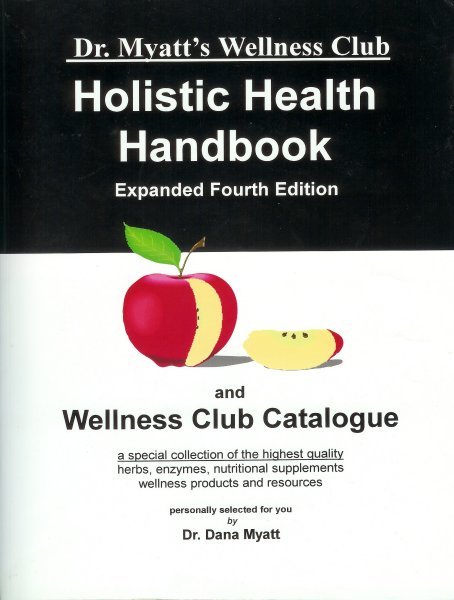
This 140 page health manual covers 70 diseases and alternative medicine treatment options, including the latest scientific information on vitamins, herbs, diet, nutrition and exercise. Also included are descriptions of many of the products available in our alternative medicines pharmacy.
VARICOSE VEINS – Natural Support For This Unsightly Condition
Why Alternative Medicines Don’t Work by Dr. Dana Myatt North Americans spend over $30 billion annually on Complementary and Alternative Medicine according to the office of Complementary and Alternative Medicines (CAM). Still, many skeptics believe that Alternative Medicines don’t work. As an holistic physician trained in alternative medicines, I must agree. Here’s why. Although many […]
Cholesterol Questions Dr. Myatt and Nurse Mark field a lot of questions from Wellness Club Members – and some of the most frequent concern cholesterol. They have asked me to devote this newsletter to answering some of those questions. Cholesterol seems to be a subject on everybody’s lips recently, with medical scientists recommending even lower […]

Proudly American Owned & Operated