(Depression / Anxiety / Stress)
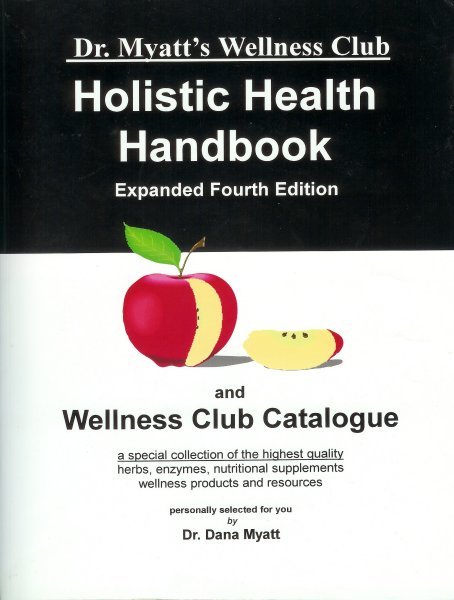
Depression and anxiety are two terms used to describe a variety of mood disorders. Although these two moods seem like opposites, depression and anxiety often occur together. Symptoms of depression and anxiety can include any of the following: chronic fatigue, insomnia, irritability, loss of appetite or increased appetite, headaches, backaches, inability to concentrate, memory loss, constipation or diarrhea, disinterest in sex, inability to make decisions, feelings of hopelessness or helplessness, feeling “blue,” suicidal thoughts. In fact, a mood disorder can cause symptoms in virtually any part of the body. (I recommend my Body/Mind Connection video for a full discussion on this).
Nearly everyone suffers from some of these difficulties some time. External events can cause a person to feel depressed or anxious. Loss of a loved one is an example of a “trigger” event that can cause these symptoms. In mood disorders, there may not be identifiable “triggers” for the anxiety or depression. Even where there is an identifiable “trigger” event, the feelings of anxiety or depression are often overwhelming and persistent.
There are as many causes of the disorder as there are symptoms. Nutritional deficiencies, blood sugar imbalances (hypoglycemia or diabetes), poor diet, hormone imbalances, physical inactivity, prescription or over-the-counter drugs, allergies, and serious illnesses can all trigger anxiety/depression. Mood disorder is also a symptom of age-related memory change. In addition, there may be mental patterns (habits and behaviors) that magnify the problem.
Because there are many physical imbalances that can cause or contribute to mood disorder, it is important to get a thorough medical evaluation. The physician who performs your physical exam may recommend evaluation by a psychiatrist who can give your disorder a diagnostic name and advise you of conventional medical and counseling options available. You may also want to consult an holistic medical practitioner who can help you explore the various causes of mood disorder and offer you options to conventional drug treatment.
Diet and Lifestyle Recommendations
- Don’t smoke! Smoke contains carbon monoxide which is toxic to the brain.
- Eat a nutritious diet. Nutrient deficiencies cause decreases in brain chemicals (neurohormones).
- Be sure that you are evaluated for hypoglycemia and food allergy. Both are common causes of mood disorder. The Super Fast Diet, a low carbohydrate diet, corrects hypoglycemia quickly and reliably.
- Exercise regularly. Exercise stimulates the production of the body’s natural “feel good” hormones called endorphins. Exercise also helps normalize blood sugar levels.
- Practice stress reduction techniques and emotional re-education. Negative thought habits can cause or aggravate anxiety and depression.
- Do not use stimulants: caffeine, nicotine, alcohol or recreational drugs.
Primary Support
- Maxi Multi: 3 caps, 3 times per day with meals. Optimal (not minimal) doses of vitamin B complex vitamins and the minerals calcium and magnesium are particularly important, but a deficiency of any nutrient can cause alterations in neurotransmitter (brain chemical) production and mood.
- Omega 3 fatty acids:
Flax seed meal, 2 teaspoons per day with food
OR
Flax seed capsules: 2-4 caps, 3 times per day (target dose range: 6-12 caps per day)
OR
Flax seed oil: 1 tablespoon per day
OR
Max EPA (Omega-3 rich fish oil): 1-2 caps, 3 times per day with meals (target dose: 3-6 caps per day). - Melatonin: this hormone decreases with age. It is a potent antioxidant and one of the only ones to cross the blood-brain barrier. It should be used in almost all cases of mood disorder and is an important part of longevity and anti-aging programs. Melatonin helps to regulate Circadian rhythms and is an “anti stress” hormone.
- L-5-HTP (5-Hydroxy-Tryptophan) 100 mg: 1 cap, 3 times per day with meals. Dosage may be increased to 2 caps, 3 times per day after 2 weeks if response is inadequate. L-5-HTP is a neurotransmitter precursor and antidepressant.
AND/OR - Hypericum (St. John’s Wort): 1 cap (300mg), 2-3 times per day. (target dose 900mg per day)
[NOTE: Do not take Hypericum or 5-HTP if you are on a prescription drug for mood disorder and DO NOT discontinue prescription antidepressants without the advice of a physician. Some antidepressants can cause serious side effects if suddenly discontinued]. - L-5-HTP and St. John’s Wort can be taken together in more resistant depressions, but this should be done with the help of an holistic physician. I am available for telephone consultations.
Additional Support
For anxiety:
- Magnesium: 1 tab, 3-5 times per day (target dose: 300-500 mg per day.) NOTE: Maxi Multi contains 500mg of magnesium. If taking Muaxi Multi as your multiple, additional magnesium supplementation is unnecessary.
For depression:
- SAMe: 400mg, 4 times daily.
For depression in the elderly:
- St. John’s Wort Plus+: 1 cap, 2-3 times per day between meals.
OR
Ginkgo biloba: 1 cap (120 mg) or 120 drops tincture, 2 times per day. (target dose: 240 mg per day)