Natural Support For This Growing Problem
Attention Deficit Disorder (ADD), ADD with Hyperactivity (ADHD), and depression represent a continuum of learning and behavioral disabilities that afflict an estimated 5-10% of school-aged children. These conditions also affect adults. In the United States, conventional medical treatment of choice is pharmaceutical intervention.
The definition of ADD is developmentally inappropriate inattention and impulsivity, with or without hyperactivity. The DSM-IV list 14 signs, 8 of which must be present to make the diagnosis. They are:
1.) Fidgets with hands or feet and squirms in seat
2.) has difficulty remaining seated when required to do so,
3.) is easily distracted by external stimuli,
4.) has difficulty awaiting turn in games or group situations,
5.) often blurts out answers before questions are completed,
6.) has difficulty following through on instructions from others (not due to opposition but to failure of comprehension),
7.) has difficulty sustaining attention in tasks or play activities,
8.) shifts from one uncompleted task to another,
9.) has difficulty playing quietly,
10.) talks excessively,
11.) often interrupts or intrudes on others,
12.) often does not seem to listen to what is being said,
13.) often loses things necessary for tasks at home or at school,
14.) often engages in physically dangerous activities without considering consequences.
Scope of the Problem: For ADD, ADHD: An estimated 5-10% of school-aged children are affected. Boys are 10 times more likely than girls to be diagnosed with ADD/ADHD. An estimated 3-5% of ADD/ADHD-diagnosed children will be put on Ritalin (methylphenidate). In 1995, over 6 million prescriptions were written for Americans under age 18.
Proposed Causes: Nutritional deficiencies, inborn errors of metabolism, food allergies, heavy metal toxicity, malabsorption, prenatal influences, genetic influence, environmental and cultural factors, yeast infection or overgrowth, food additives, trauma, and developmental factors.
Dr. Myatt’s Comment: A large body of scientific evidence suggests that ADD/ADHD is multi-factorial, meaning that there is usually more than one contributing cause. This presents a special challenge to the diagnosing physician if (s)he is interested in correcting the problem and not just treating symptoms. This may also account for the large number of children placed on drug therapy, which relieves the physician and parents of the responsibility of exploring the numerous causes and contributions to ADD/ADHD. However, due to the far-reaching effects that such attention disorders and behavior problems create, many people have found that it is worthwhile to discover and correct the causes of ADD/ADHD instead of simply “dumbing down” the symptoms with drugs.
Diet And Lifestyle
- Diet: Elimination/challenge to discover food allergies, then avoidance of offending foods; avoidance of artificial additives and food colorants (Feingold diet); avoidance of simple carbohydrates (sugars and refined flour products).
- NO stimulants: colas, chocolate, caffeine- containing foods and beverages.
- Exercise: daily. Exercise helps normalize brain chemistry.
Primary Support
- Maxi Multi (adults): 3 caps, 3 times per day with meals.
- Children’s Multi (children): dose according to age and body weight as listed on product label. A deficiency of any vitamin, mineral or trace mineral can lead to impaired mental performance.
- L-glutamine: 2,500-3,000mg per day. (This will vary depending on the age and weight of the patient).
- Cal-Mag Amino: (calcium/ magnesium) [Target dose: < 10 years, 1,000mg calcium, > 10 years, 1,200- 1,500 mg calcium with corresponding dose of magnesium].
- Grape Seed Extract: 50 mg, 3 times per day with meals.
Additional Support
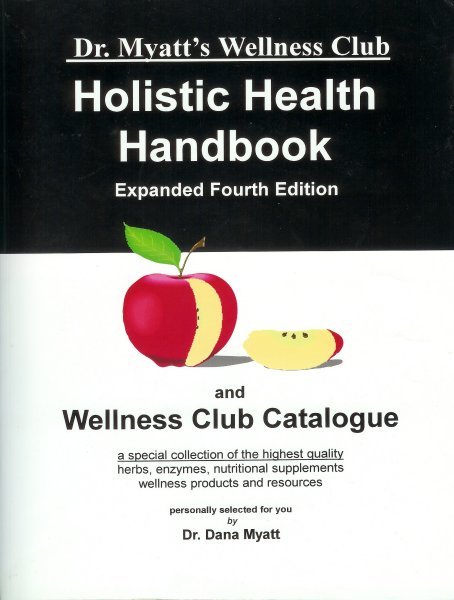
- L-5-HTP: dose according to weight in children (See page 18 in the Holistic Health Handbook or see the Children’s Dosing Guidelines on our “How To Use Herbs” page). In adults, begin with 1 cap, 3 times per day and increase to 2 caps, 3 times per day after two weeks. Use only with medical supervision if antidepressant medications are also being taken.
Dr. Myatt’s Note:
I recommend for physicians, parents, and teachers: “Hyper Kids” by Lendon Smith, Shaw/Spelling Assoc., 1990. This workbook provides questionnaires to help physicians and parents sort out causes of ADD/ADHD— from nutrient deficiencies and allergies to malabsorption and yeast overgrowth. A very useful resource in differential diagnosis.