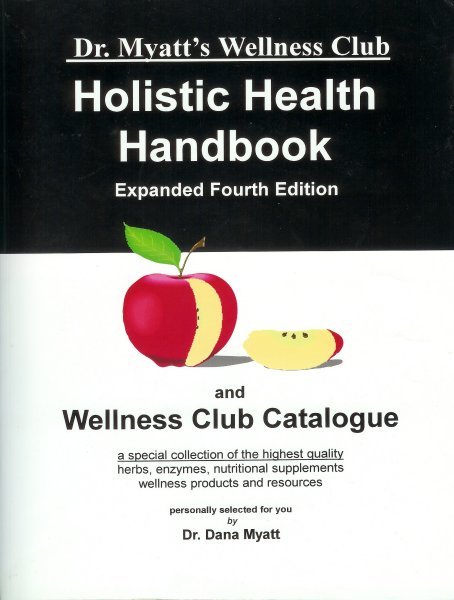
Important Information About These Natural Remedies
Herbs for Health and Healing
How Herbs Work
Herbs regulate, cleanse, and nourish the human body. They may have specific effects on physical function, but herbs also nourish and balance many parts of the body at one time. Why to Use Herbs
Because they balance the body, herbs treat the cause of disease, not just the symptoms. When used with knowledge, herbs are far safer than most pharmaceutical drugs. Herb Tinctures are alcohol or vinegar extractions of herbs. They are more concentrated than teas and Capsules (unless standardized) depending on their method of preparation. They can be taken alone, added to teas, or used in poultices. Herb Capsules/Tablets consist of dried herb material. They may consist of the unadulterated herbs OR they may be standardized according to the concentration of a particular ingredient. These herbs are designed to be taken internally. Dosing for herbs: General ADULT guidelines for dosing herbs:
Tinctures: 30-40 drops, 2-4 times per day, taken in water.
Caps: 1-2 Caps, 2-4 times per day.
Teas: 1 tea bag/1 teaspoon herb per cup water. 1-3 cups per day.
Children have smaller dose requirements than adults. The basic formula for determining a child’s dose is: age ÷ (age + 12). The resulting number equals the portion of an adult dose to give. For example, the correct dose for a 6-year-old would be 6 ÷ 18 = one-third of an adult dose.
If PREGNANT, consult an holistically-trained physician before using herbs. Not all herbs are safe during pregnancy.
Twelve Important Herbs to Know
Bilberry (Vaccinium myrtillus)
Actions: Potent antioxidant; strengthens/stabilizes veins USES: Atherosclerosis; cataracts; diabetes mellitus; neuralgia and neuropathy; retinopathy; varicose veins; macular degeneration NOTE: Bilberry has a special affinity for the eyes.
Bromelain (Ananas comosus) a.k.a. Pineapple
Actions: Anti-inflammatory; dissolves mucous; protein digestant USES: Atherosclerosis; inflammation (all types); infection (all types); sinusitis; sports injuries; wound healing.
Curcumin (Curcuma longa) a.k.a. Turmeric
Actions: Potent antioxidant (highest antioxidant rating); anti-inflammatory; liver protectant; anti-cancer; anti-tumor USES: Allergies; arthritis; atherosclerosis; autoimmune disease; cancer; gallbladder disease; hepatitis; high cholesterol; inflammation; rheumatoid arthritis.
Siberian Ginseng (Eleutherococcus senticosus)
Actions: Adaptogenic (helps the body adapt and work under physical and mental stress); tonic; mild stimulant USES: Stress adaptation; fatigue; depression; rejuvenation; athletic performance; enhancing physical performance.
Grape Seed Extract (Vitis vinifera) a.k.a. pycnogenols
Actions: Potent antioxidant; protects collagen from destruction; anti-inflammatory USES: Atherosclerosis; diabetes mellitus; easy bruising; macular degeneration; varicose veins; stroke prevention; retinopathy; skin rejuvenation.
Hawthorne (Cratageus oxycantha)
Actions: Cardiovascular tonic; adrenal tonic; anti-atherosclerotic; high in bioflavonoids USES: Heart disease of all types: atherosclerosis, arrhythmia, palpitations, high or low blood pressure, congestive heart failure; peripheral vascular disease.
Echinacea (Echinacea angustifolia or purpura)
Actions: Immune stimulant; immune modulating (balances the immune system); anti-viral; anti-bacterial USES: Infections of every type ; immunosuppression (AIDS/HIV/EBV); cancer; Candidiasis. NOTE: Use short-term to bolster the immune system.
Garlic (Allium sativa)
Actions: Broad-spectrum anti-microbial: effective against bacteria, viruses, worms, fungi; anti-atherosclerotic; cardiovascular tonic USES: Infections, parasites, Candidiasis; atherosclerosis; high blood pressure; high cholesterol; diabetes; allergy; AIDS; immune suppression; cancer and cancer prevention.
Ginkgo (Ginkgo biloba)
Actions: Increased blood flow to the brain and extremities; stimulates neurotransmitters (brain hormones); potent antioxidant with nervous system affinity USES: Impotence; neuralgia and neuropathy; Age-related memory, eyesight, and hearing changes; atherosclerosis; allergy; depression ; retinopathy; diabetes mellitus; Raynauds disease.
Milk Thistle (Silybum marianum)
Actions: (Protects the liver from the effects of toxins); antioxidant USES: Environmental exposure to toxins; hepatitis; drug, alcohol or nicotine use; gallbladder disease; detoxification; daily life!
Saw Palmetto (Serenoa repens or serrulata)
Actions: inhibits dihydrotestosterone (the hormone that causes the male prostate gland to enlarge); tonic to the neck of the bladder; reproductive organ tonic (male and female) USES: benign prostate enlargement; low libido and impotence (male and female); painful menstrual periods; urinary incontinence (male and female); polycystic ovaries
St. Johns Wort (Hypericum perforatum)
Actions: Anti-depressant; anti-viral; relieves pain USES: Depression; anxiety; insomnia; neuralgia; immune suppression (AIDS/HIV/Epstein-Barr virus); chronic hepatitis.
More Useful Herbs to Know
Artichoke (Cynara scolymus)
Actions: Liver protective properties (similar to milk thistle); bile secretion USES: Liver protection; liver disease; gallbladder disease.
Astragalus (Astragalus membranaceus)
Actions: Immune stimulant; adaptogenic; vasodilator; anti-viral USES: Tonic and endurance remedy; immune stimulant (not an acute remedy, like Echinacea, but for long-term use to improve immune function); night sweats.
Black Cohosh (Cimicifuga racemosa)
Actions: Antispasmodic; anti-inflammatory; slight estrogenic effect; nervine USES: Muscle pain ; arthritis; rheumatism; back pain; menstrual cramps; nervous tension. NOTE: high doses can cause headache.
Cayenne (Capsicum frutescense)
Actions: Circulatory stimulant; digestant; tonic; anti-atherosclerotic USES: Atherosclerosis; poor circulation; shock; hemorrhage; heart attack; “synergistic” with many herbs. Cayenne is the premier circulatory stimulant herb.
Chamomile (Matricaria chamomilla)
Actions Anti-inflammatory; anti-spasmodic; carminative (counters gas); anti bacterial; nervine USES: Stomach complaints: colitis, intestinal spasm, colic (good for colic in babies, too: use in tea form); respiratory infections; wound healing; anxiety; restlessness.
Chlorella (Chlorella pyrenoidosa)
Actions: Detoxifier; high in minerals and phytonutrients USES: Detoxification; heavy metal toxicity; blood building; general antioxidant protection; intestinal detoxification.
Dandelion (Taraxacum officinale)
Actions: Nutritive (high in minerals); diuretic; tonic; liver-protective USES: skin disease; liver disease; anemia; water retention ; CHF; fatigue; arthritis.
Ginger (Zingiber officianle)
Actions: Anti-emetic; digestant; circulatory stimulant; anti-inflammatory; antiseptic. [Curcuma longa (tumeric) is a close relative] USES: nausea and motion sickness; morning sickness; high blood pressure and atherosclerosis; digestive upsets, gas, and colic; colds, flu, and fever.
Goldenseal (Hydrastis canadensis)
Actions: Anti-microbial; anti-parasidal; GI tonic; laxative; immune stimulant. USES: Infections of all kinds; infectious diarrhea; skin diseases; conjunctivitis; candidiasis; intestinal toxemia; intestinal parasites.
Hops (Humulus lupulus)
Actions: Antispasmodic; nervine; GI tonic; anodyne (relieves pain); estrogenic effects. Uses: Menopause; insomnia; nervous tension headache; anxiety; intestinal cramps; neuralgia.
Kava Kava (Piper methysticum)
Actions: Stimulant; tonic; anti-anxiety; sleep-inducer USES: Anxiety ; arthritic conditions; chronic pain; insomnia.
Nettles (Urtica dioica)
Actions: Nutritive; tonic; detoxifying; encourages the removal of excess tissue acids USES: Acne; allergies & hayfever; arthritis; eczema; general detoxification.
Reishi (Ganoderma) & Shiitake (Lentinus edodes) Mushroom
Actions: Immune stimulants; anti-tumor activity USES: General immune tonic; cancer and cancer prevention.
White Willow (Salix alba)
Actions: Anti-inflammatory (contains salicin, a natural form of aspirin) Uses: rheumatism; arthritis; headache; fever; musculoskeletal aches and pains.
Wild Yam (Dioscorea villosa)
Actions: Antispasmodic; anti-inflammatory; hormone-enhancing effects; [Chinese herbology: chi (energy) tonic] Uses: Flatulence; intestinal colic; gallstone colic; arthritis (rheumatoid and osteo); urinary tract infections; muscle strain; poor circulation; neuralgia; menopause; uterine cramping; general energy tonic.